Aluminium fencing costs can vary a lot depending on the height, style, finish, extras, and whether you’re buying the fencing on its own or paying for installation.
If you’re budgeting for a new fence, you want a realistic number to work with without chasing different suppliers for quotes. Who has time for that!
This guide breaks down aluminium fencing costs. We’ll also compare aluminium fencing with timber and Colorbond so you can make the best choice, then show you how to measure your project so you can get a quote based on real numbers, not guesswork.
Most aluminium fencing is priced by the square metre (m²), meaning you pay based on how many metres long the fence is.
Here’s a guide to typical 2026 aluminium fencing costs.
Aluminium Fencing Type | Supply Cost | Installed Cost | Factors Affecting Price |
Aluminium Slat Fencing | $200–$250/m² | $400–$600/m² | Slat size, spacing, number of slats, fence height |
Aluminium Batten Fencing | $250–$300/m² | $500–$700/m² | Batten size, spacing, height, rail configuration |
Timber-Look Aluminium Fencing | $300–$400/m² | $600–$900/m² | Woodgrain finish, profile, project quantity |
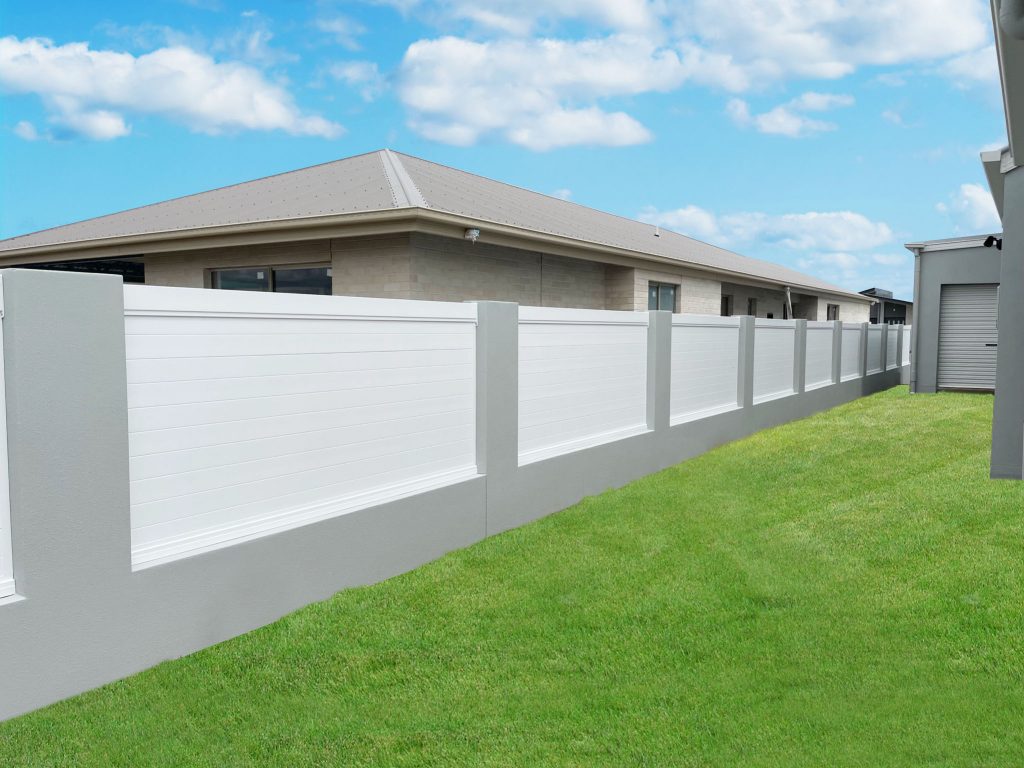
Aluminium Privacy Fencing | $250–$300/m² | $500–$700/m² | Amount of screening, height, spacing, structural requirements |
Aluminium Gates | $300–$450/m² | $600–$900/m² | Pedestrian vs driveway gate, size, hardware, automation |
While aluminium fencing is priced by the linear metre, that figure doesn’t tell the whole story. Quite a few factors can affect the overall price of a new fence.
The style you choose changes how much aluminium goes into each metre of fencing, which is one of the biggest reasons prices vary.
Your choice of aluminium fencing colour and finish can affect pricing if you choose outside the standard range.
Some fencing suppliers like Eurowood offer free colour samples so you can see the finish in person before you commit. That makes it easier to compare colours against your home, cladding, roof, or other exterior finishes and choose with more confidence.
The fence itself is only part of the cost. The components needed to support, connect, and finish the fence add to the overall cost.
A price for the fencing materials alone will naturally be lower than a fully installed price that includes labour and site work.
Installation costs can vary depending on the job.
Wondering if aluminium fencing is the way to go? Comparing the expenses for aluminium, timber, and Colorbond fencing can help you decide.
Expenses over 15–20 Years | Aluminium | Timber | Colorbond |
Initial Fencing Cost | $130–$200/m | ||
Painting/Staining | None | None | |
Maintenance | Low-cost maintenance, occasional cleaning only | $0 if DIY, excluding staining | $0 if DIY |
Repairs | $120–$200/m | $65–$100/m if required | $70–$100/m if required |
Replacement | Unlikely | Possible, $75–$125/m if required | Unlikely |
The numbers don’t lie: aluminium fencing makes sense in the long run because it doesn’t need regular painting or heavy upkeep.
Where can you go for reliable aluminium fencing that looks as good as it lasts? Eurowood!
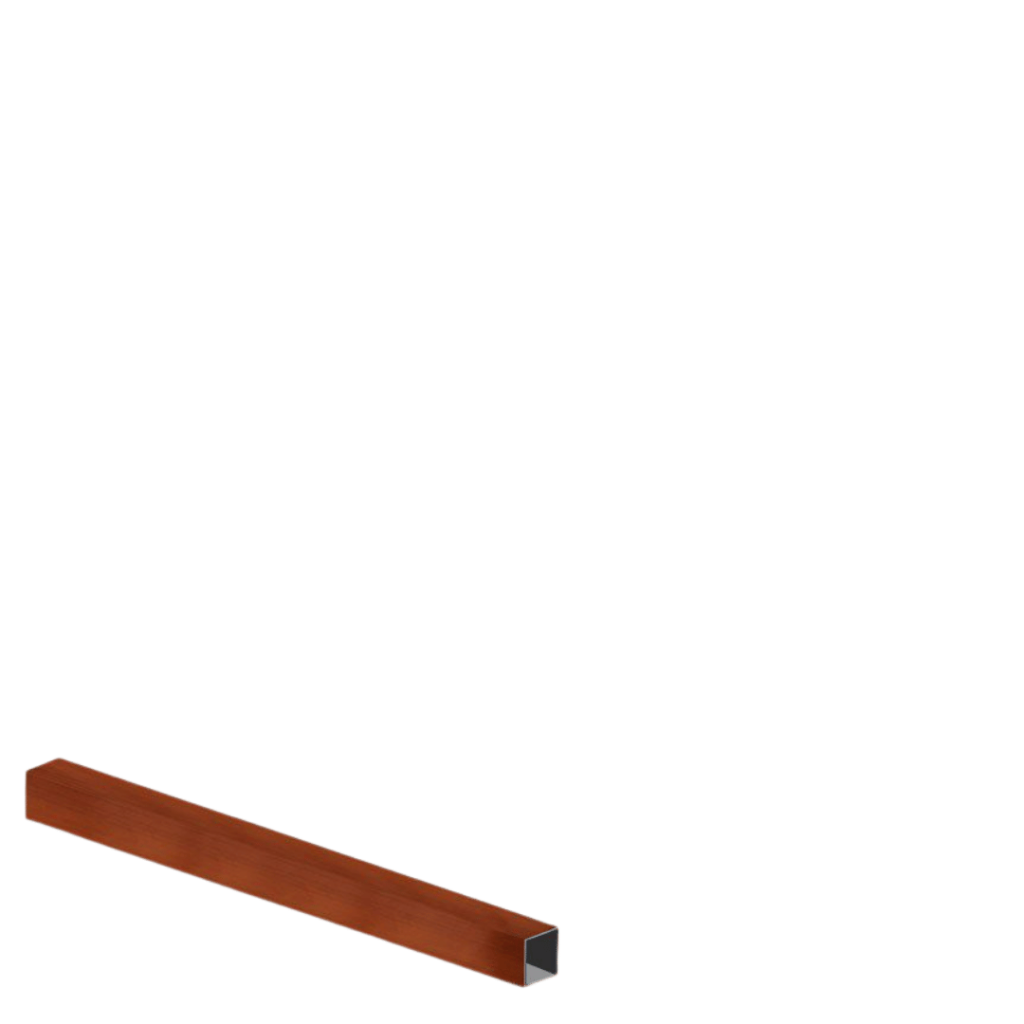
Our batten rail system is made specifically for fences. The battens fit into a two-part top and bottom rail, so there’s no welding required and the fixings stay hidden once everything’s assembled.
The system can be fitted between posts or fixed to the face of posts or brickwork, giving you flexibility depending on the fence layout. Matching caps, posts, and colour-matched components keep the finished fence looking consistent from one end to the other.
The components of this system are designed to work together seamlessly. Installation is simpler, and there are fewer finishing touches to deal with once the fence is up.
If you’re a builder working on a new build, fencing might not be the first thing ordered, but it can still hold up the final stages if materials aren’t ready when the installer needs them.
That’s where in-stock aluminium fencing can make life easier.
Eurowood keeps a wide range of aluminium products in stock and focuses on fast supply. Our products are made in Australia, giving you a more dependable local supply option for upcoming projects.
Why trust Eurowood for a new aluminium fence?
So you’ve measured the fence line, worked out the gates, chosen the fencing height and style, and narrowed down the finish.
Now Eurowood can turn those details into an accurate aluminium fencing cost. Just pop them into the REQUEST A QUOTE section here, and we’ll be in touch.
You’ll be admiring your new Eurowood aluminium fence in no time!
Aluminium offers more flexibility than Colorbond fencing in terms of slat or batten spacing, airflow, privacy, and timber-look finishes, while staying durable and low maintenance.
A quality aluminium fence can last 15 to 20 years or more when properly installed and maintained. Aluminium doesn’t rust or rot, and a good powder-coated finish adds further protection from the weather.
You may be able to install an aluminium fence yourself if you’re confident measuring, setting posts, keeping everything level, and following the manufacturer’s installation instructions. For larger fences, sloping sites, gates, or more complex layouts, hiring an experienced installer saves time and ensures the fence is fitted properly.
Aluminium fencing is generally low maintenance and usually only needs occasional cleaning with fresh water and a mild detergent to remove dirt, salt, and grime.
Aluminium fencing is commonly powder-coated or finished in a timber-look colour, so it doesn’t need repainting like timber fencing. Occasional cleaning is generally enough to keep the finish looking good.
Rules for fence heights vary by state, council, fence location, and property type. For example, in NSW, many residential side and rear fences can be up to 1.8 metres without planning approval, while front fences are generally limited to 1.2 metres. Always check your local council rules before building.